Play. explore. learn.
BiOMADHD555
“Did you know that 1 in 5 students in the U.S. navigate the world with dyslexia? That’s a huge squad of brilliant minds! But here’s the glitch: the market is overflowing with ‘educational’ fluff that just doesn’t click with how dyslexic brains actually learn. At BiOMADHD555, we’re hitting the reset button. We’re bridging the ‘resource gap’ by delivering high-vibe, science-backed tools directly to every family. No more guessing games—just top-tier, research-based gear to help your learner crush it!”

Piper- CEO founder BiOMADHD555

” As the CEO and Founder of BiOMADHD555 , Piper is a powerhouse in the field of literacy with over 30 years of experience as an AIS Literacy Specialist. A distinguished alumna of SUNY Cortland with both a Bachelor’s and a Master’s in Literacy, her academic foundation is further bolstered by advanced coursework at NYU along with numerous trainings – Orton-Gillingham (OG) , UFLI , Wilson and CCI. Piper’s career reached a remarkable peak in her final year before retirement within a high-need Title 1 school district, where she masterfully managed a staggering daily caseload of over 70 students.
A resilient cancer survivor and an advocate for adoption/foster care services. (adopted herself when only 6 months old). Piper channels her strength and uinto a lifelong mission: educating and empowering parents and teachers to champion the civil rights of individuals with learning differences, including ADHD and Dyslexia. Her influence extends far beyond the classroom as she actively fights for systemic change, advocating for Senate bills and robust educational programs that transform how Dyslexia is addressed in our schools. Piper remains a fierce, committed advocate for all humans, dedicated to ensuring that every learner has the tools and the voice to succeed.
My vision for this website and social media brand is to demystify the world of education. I am dedicated to informing and empowering parents and caregivers by replacing complex “teacher-talk” with clear, accessible guidance. To ensure you feel confident and supported, I hope every product I endorse I can have accompanied by helpful videos and visuals, making these essential tools easy to use and even easier to implement at home.”
Cheers,
Piper
CEO & Founder BiOMADHD555
Magnetic Letters
From A-B-Cs to PhDs
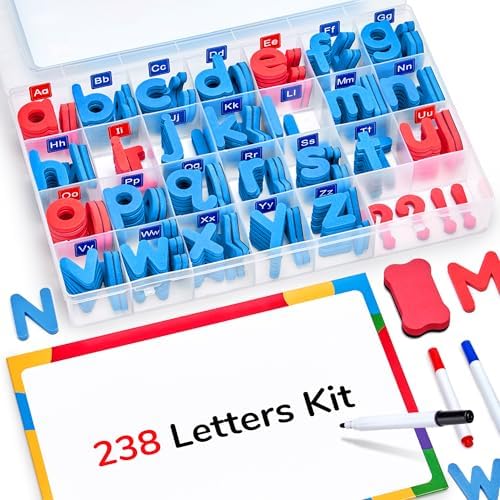
Forget the fancy tech—the real magic is sticking to your fridge! Did you know that manipulating magnetic letters from birth isn’t just play; it’s a total brain-builder? For kiddos with Dyslexia or ADHD, that tactile “touch-and-move” experience is a game-changer for cracking the phonics code.
Statistics show that students who master letter manipulation early walk into their first day of school with a massive head start. Want to be the MVP of the baby shower? Gift a set of magnetic letters! It’s the gift that grows with them, turning “Goo-Goo” into “I can read!” overnight. Let’s foster that early phonics success and give our future readers the advantage they deserve! 🚀📚
Early literacy development begins long before the first day of school. By introducing magnetic letters at birth, we allow children to physically manipulate the building blocks of language. This multi-sensory approach is particularly vital for children with Dyslexia or ADHD, providing a concrete way to understand abstract sounds.
Headline: Magnetize Their Mind! 🧠🧲
Why are magnetic letters the #1 gift for new moms?
✅ Tactile Magic: Essential for Dyslexia & ADHD support.
✅ Early Phonics: Builds a bridge from birth to the classroom.
✅ The Stats: Early manipulators have a proven academic edge! 📈
Help your little one “grasp” the alphabet—literally! From the fridge to the honor roll, magnetic letters are the foundation for a lifetime of reading success. 🌟
CLICK below ON EACH LEVEl
INFANTS
Ways to Use Magnetic Letters with Infants
- The “Fridge Gallery”: Place bright letters at their eye level while they are in a high chair or doing “tummy time.” Let them reach for and swat at the colors.
- Sensory Bins: Place a few large letters in a shallow bin with soft scarves or large pom-poms. Let them feel the hard texture of the plastic vs. the soft materials.
- Magnetic Cookie Sheet: Use a portable cookie sheet for floor play. This allows them to move the letters around without them falling off, which helps develop fine motor “pincer” grips.
- Sing the Sounds: When they touch a letter, don’t just say the name; make the sound in a sing-song voice. “That’s ‘Mmm’ for Mommy!”
2. How Much Time to Spend?
- Keep it Brief: At this age, 2 to 5 minutes at a time is plenty.
- Follow Their Lead: If they turn away or get fussy, the “lesson” is over. Literacy at this stage should be 100% positive and play-based.
- Consistency over Duration: Spending 2 minutes every day is much more effective for brain development than 30 minutes once a week.
3. Tips for Literacy Development
- Narrate Everything: Talk about the letters like they are characters. “Oh, the blue ‘B’ is jumping over the red ‘R’!” This builds vocabulary and narrative tracking.
- Focus on Contrast: Infants see high-contrast colors best. Use bright red, blue, and yellow letters against a white or metallic background to help their visual tracking.
- Safety First: Crucial Tip: Always ensure the magnets are securely embedded and the letters are large enough to not be a choking hazard. Never leave an infant unattended with small magnets.
TODDLERS
For toddlers with ADHD or learning differences, the key is multi-sensory movement and reducing frustration. Magnetic letters are perfect for this because they are tactile and “forgiving” (you can move them without erasing).
Here are specific tips for your Toddler Tips section:
- Kinesthetic Phonics: Instead of sitting at a table, place the magnetic letters on the fridge and have the toddler “run” to fetch a specific letter sound you call out. This burns energy while connecting the sound to the physical shape.
- Tactile Tracing: For toddlers showing interest in writing, have them trace the physical shape of the magnetic letter with their finger before trying to draw it. This builds “muscle memory” for letter formation without the fine-motor stress of holding a pencil.
- Heavy Work Sorting: Use a heavy magnetic cookie sheet. Carrying the weighted sheet while it’s loaded with letters provides “proprioceptive input,” which helps calm the nervous system in children with ADHD and improves focus.
- Low-Stress Phonics: Focus on “Initial Sounds” only. Ask them to find the letter that makes the “B-B-B” sound like “Ball.” Because they can physically grab the letter, it feels like a game rather than a test, which reduces the “task avoidance” often seen with learning differences.
Pre-School
Homeschool
The “Bridge to Writing” (Visual-Spatial Mapping)
- The Method: Place a magnetic letter (e.g., “M”) on a whiteboard and have the child use a dry-erase marker to draw a “road” or “box” around it. Then, have them slide the letter away and try to “trace” the ghost of the letter left in the empty space.
- The Research: For preschoolers with ADHD or Dyslexia, the brain often struggles with orthographic mapping (connecting a sound to a symbol). Research in multisensory integration shows that physically moving a 3D object (the magnetic letter) and then immediately following its path with a writing tool creates a stronger neural pathway than just looking at a flat letter on a page.
- Phonics & Reading: As they trace, have them hold the continuous sound (e.g., “Mmmmmmm”). This builds phonemic awareness, helping them understand that the shape they are drawing represents a specific sound they are hearing and saying.

Time management is a significant challenge for children with ADHD due to difficulties with executive functions, specifically “time blindness,” which makes it hard to estimate how long tasks take or how much time has passed. Research suggests that children with ADHD often prioritize immediate rewards over long-term goals, leading to procrastination and struggles with transitions.
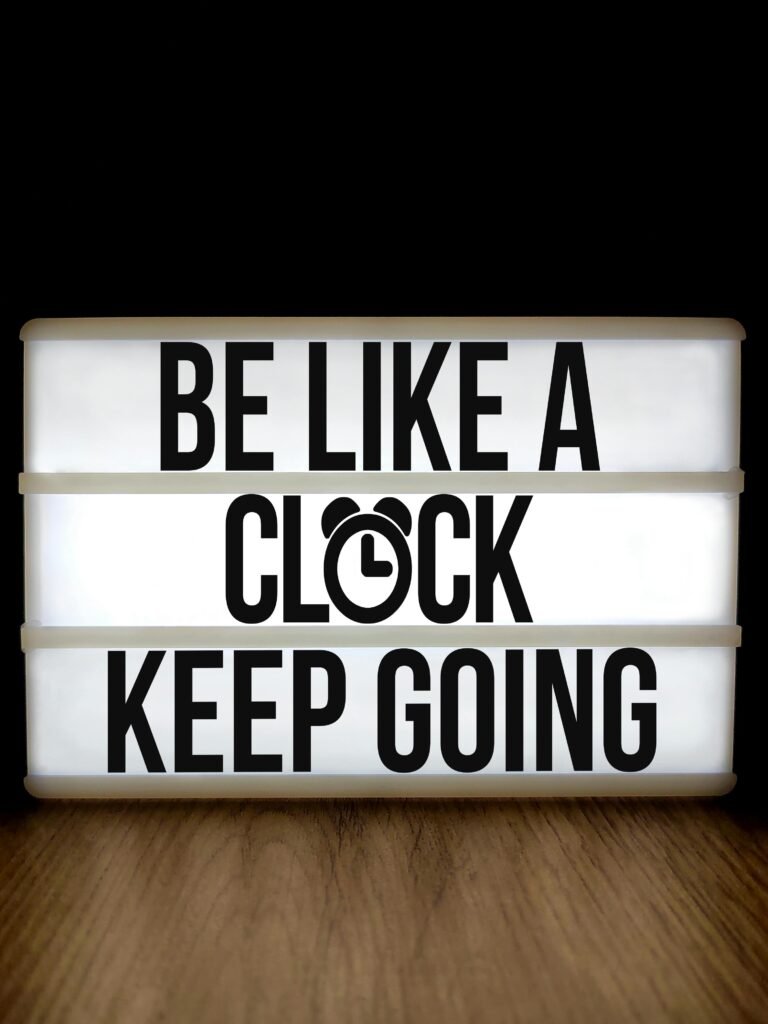
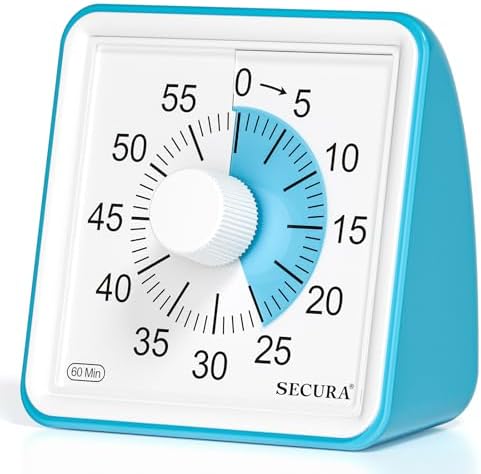
Visual clocks offer transformative benefits for school-age children, teens, and college students with ADHD by externalizing the abstract concept of time. By representing time as a physical, shrinking volume—such as a red disc that disappears as minutes pass—these tools help bypass the “time blindness” often associated with ADHD, allowing students to actually see how much time remains for a task. For younger children, this reduces the anxiety of transitions between activities, while for teens and college students, it fosters better self-regulation during long study sessions or timed exams. Ultimately, visual clocks shift the focus from a looming, invisible deadline to a manageable visual countdown, improving focus, reducing procrastination, and building essential executive functioning skills across all academic levels.
- 【Rotatable Pomodoro Timer】As time passes, the coloured progress bar on the visual timer disappears counterclockwise. Thi…
- 【Easy Operation】The digital timer can be quickly and easily set by turning the outer ring, with a button to start/stop t…
- 【Rechargeable Timer】 This table timer has a built-in 800 mAh Li-Ion battery that supports Type-C charging, eliminating t…
$17.99
- Time Management — What can you get done in 60 minutes? Complete tasks efficiently with the Secura 60-minute visual clas…
- Easy to Use — Easily set the timer by turning the dial clockwise. To turn the timer off: rotate it back to zero. Turn o…
- Designed for Focus — Solid blue visual disc creates a calm, uncluttered sense of time passing — no rainbow colors, no v…
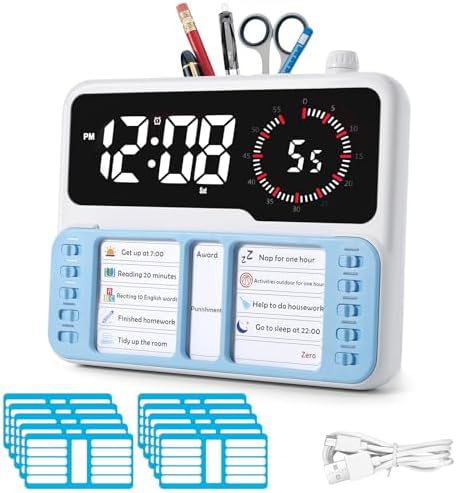
- 7-in-1 Visual Time Management Tool: Designed for kids and adults with ADHD, this multifunctional timer includes a visual…
- Visual Schedule for Kids with Autism: Designed to support children with autism or ADHD, the built-in visual planner help…
- Easy Countdown and Alarm Functions: Set countdowns or alarms to signal time limits for homework, playtime, or transition…

The “Science of Reading” is essentially a roadmap based on decades of research into how the human brain actually learns to process language. By 2026, teaching methods have shifted away from “guessing” words based on pictures and toward a more structured approach that focuses on phonics and decoding. For parents, this means that instead of hoping a child just “picks up” reading through exposure, teachers are now explicitly showing them how to connect sounds to letters in a logical, step-by-step way.
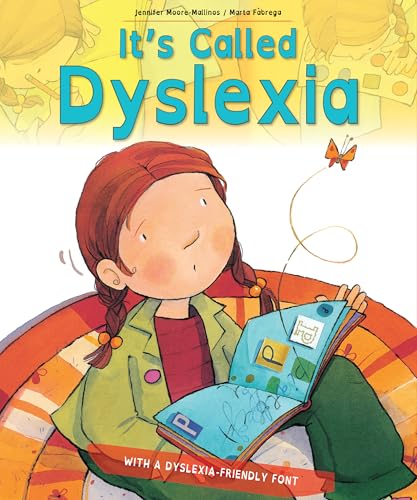
For children with dyslexia, this shift is a game-changer. Dyslexia isn’t a problem with intelligence; it’s a specific “wiring” difference in the brain that makes it harder to break words down into individual sounds. The Science of Reading approach—often called Structured Literacy—directly targets this by providing the repetitive, clear instruction these students need to build strong reading “muscles.” Instead of feeling frustrated by a page of confusing symbols, children are given the tools to unlock those words, ensuring that every child, regardless of how their brain is wired, has a fair shot at becoming a confident reader.
PHONICS
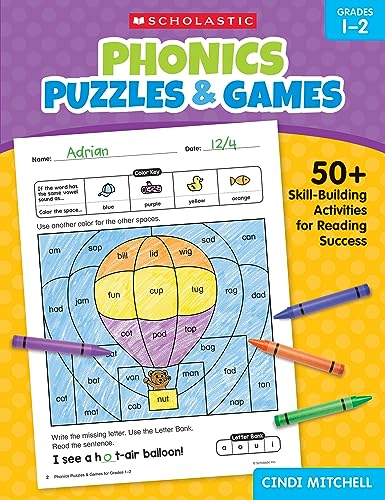
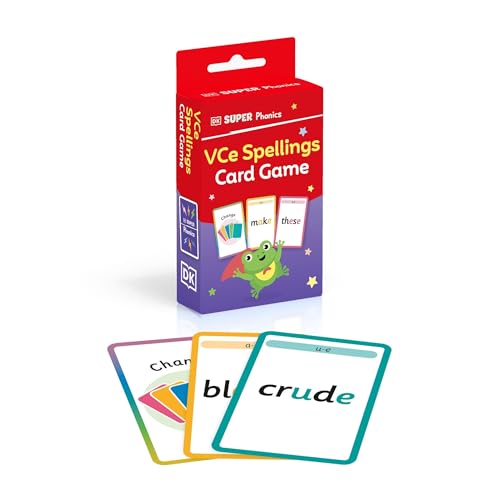
Phonics games can be especially helpful for children with ADHD and dyslexia because they turn reading practice into something active, engaging, and low-pressure. These games strengthen letter-sound recognition, decoding, and spelling skills while keeping attention focused through movement, repetition, and play. For dyslexic children, this repeated practice supports reading confidence and helps make patterns in language easier to understand. For children with ADHD, the interactive format can improve motivation and make learning feel more manageable. Overall, phonics games can build essential literacy skills while also making reading a more positive experience.
KNOW THE LAW:

FAPE stands for Free Appropriate Public Education. It is a law that ensures children with disabilities can go to public school for free. Schools must provide a special learning plan (IEP) that fits each student’s specific needs. The goal is to make sure every child gets the help they need to learn and succeed just like everyone else.
Check out my Facebook page, BiOMADHD555, for essential resources and information.
Invest in your child’s future success
Visit my shop, BiOMADHD555.shop , to explore more products designed to support you!